9 Best Alternatives of BlogSEO
Bloggers and agencies switch from BlogSEO after hitting credit limits or inconsistent output on every new post. Some tools cap monthly words or force extra purchases once traffic grows. The mismatch between cost and speed pushes many teams to test other platforms this quarter.
This article names eight concrete alternatives and ranks them by features, credit rules, and output consistency. Readers will finish with a side-by-side view that points to Autoblogging.ai as the strongest overall choice and a short checklist for picking the next tool.
What to Look For in BlogSEO Alternatives
Effective BlogSEO alternatives deliver specific capabilities that improve search rankings and content performance.
Users should evaluate how deeply each platform analyzes search engine results pages. SERP analysis depth determines whether tools identify ranking factors and featured snippet opportunities accurately.
Keyword optimization requires comprehensive keyword research tools that cover LSI keywords effectively. LSI keyword coverage count should reach several hundred related terms per primary keyword to build semantic SEO strength.
Word count analysis thresholds help writers meet optimal length standards. Most content optimization tools flag content under 1,500 words for competitive topics while recommending higher counts for complex subjects.
Readability scoring systems measure user engagement metrics beyond basic grammar checks. Platforms that track sentence complexity, passive voice usage, and transition word frequency produce clearer blog posts.
Backlink integration limits matter when teams need to connect content strategy platforms with external link databases. Some SEO content editors cap this access at 100 domains per project while others provide unlimited connections.
Competitor content gap detection methods reveal missing topics and subtopics within existing articles. Strong alternatives scan multiple competitor domains to surface uncovered keywords and question-based content opportunities.
Domain authority benchmarking examples show how content performs against established sites in the same niche. Quality SEO platforms compare your domain metrics with top-ranking competitors to set realistic optimization targets.
1. Autoblogging.ai - Best Overall
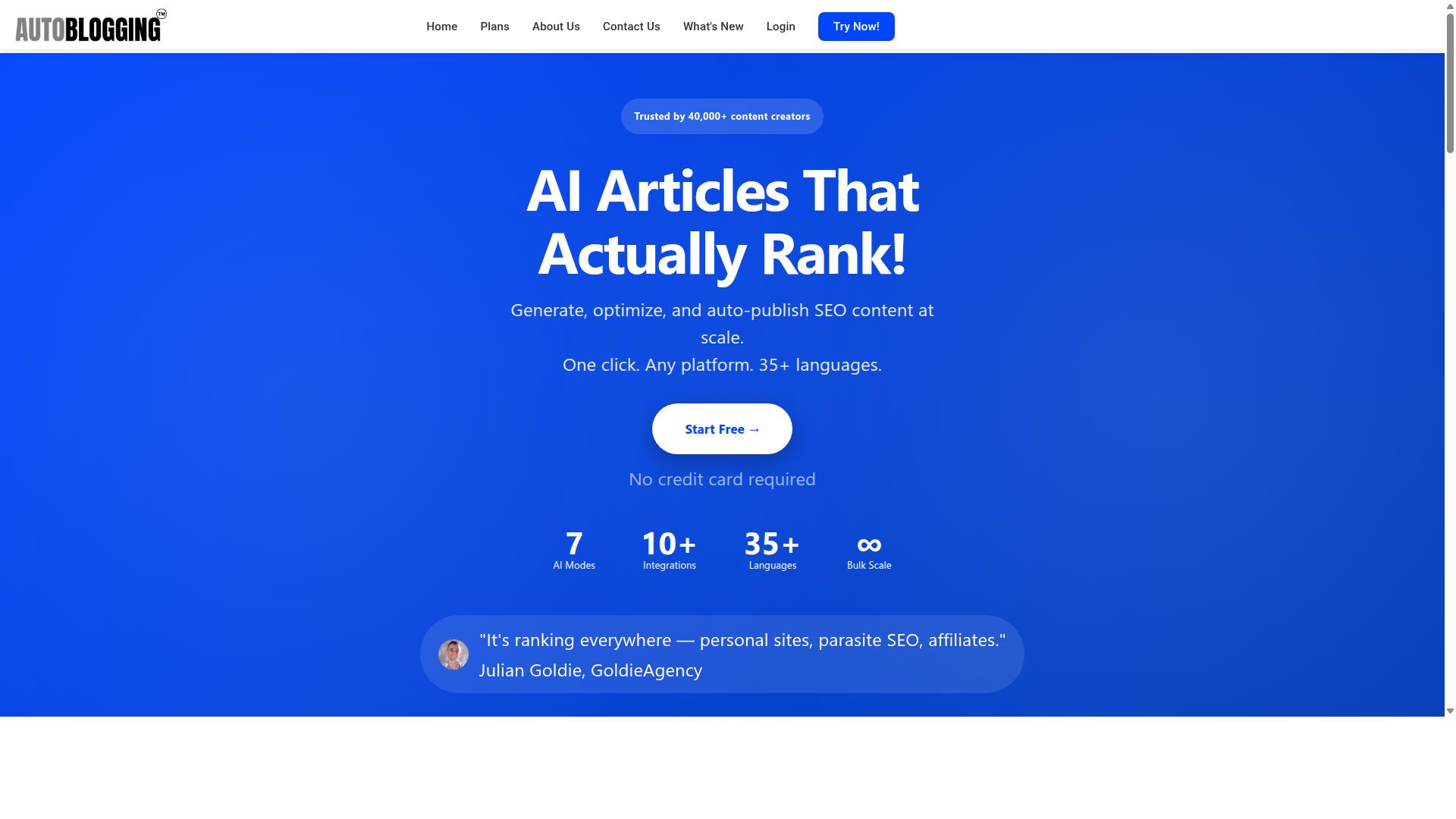
Over 40,000 content creators trust Autoblogging.ai and rate it 4.9 stars. Autoblogging.ai leads BlogSEO alternatives with 10+ AI modes and 1M+ articles generated.
Autoblogging.ai positions ahead of competitors through 35+ integrations and consistent weekly feature releases. The platform handles everything from single posts to large-scale campaigns without the manual steps required by many SEO content editors.
AI Modes and Generation Features
Autoblogging.ai provides 10+ AI modes including Godlike Mode for SERP competitor analysis. Users select Quick Mode for free single articles or the wizard option when they want guided creation.
Godlike Mode runs SERP competitor analysis, extracts LSI keywords, and pulls knowledge graph data. Bulk Generation processes up to 500 articles through CSV upload for teams that need high volume.
The platform supports 35+ languages and runs each draft through a human-proofing process. This combination helps Autoblogging.ai serve as a top alternative when BlogSEO limits scale or language options.
Pricing and Credit System
Autoblogging.ai offers six monthly plans from $19 Starter to $999 Enterprise. Starter includes 40 credits, Regular includes 120 credits, Standard includes 300 credits, Gold includes 600 credits, Premium includes 1,000 credits, and Enterprise includes 5,000 credits.
Every plan allows credits to roll over to the next month. New accounts receive 10 free credits monthly without a credit card requirement, and additional credits remain available for purchase.
Autoblogging.ai includes support across all tiers. The credit structure gives clear options for different content volumes when compared to other blog optimization software and AI writing tools.
2. SEO.ai

SEO.ai provides keyword research and content audit capabilities for BlogSEO workflows. This platform functions as one alternative in the broader landscape of content optimization tools.
Users access general keyword clustering features that group related terms together. These clusters help identify natural language patterns for content strategy platforms.
Content scoring systems evaluate drafts based on readability and keyword density. Writers adjust their work according to the scores before publishing.
Topic cluster tools organize content around central themes and subtopics. Blog optimization software often includes these structures to improve search rankings.
Many SEO platforms support similar approaches to content audits and keyword suggestions. Experts recommend comparing several options when selecting writing assistants or SEO content editors.
3. ChatGPT
ChatGPT serves as an accessible writing assistant for BlogSEO content creation. Users type specific instructions into the chat interface to generate draft articles or outlines. The model responds with text that matches the requested tone and structure.
Many writers add custom instructions to guide keyword integration during the drafting process. They specify target phrases, placement rules, and density targets within the prompt. This approach helps align generated content with basic On-Page SEO practices without external tools.
Keyword research stays outside the model's capabilities. ChatGPT lacks direct SERP data access and cannot pull real-time ranking information or competitor metrics. Writers must gather this data from separate platforms before feeding it into prompts.
Content length limits also affect output quality for longer posts. Users often split requests into multiple messages to maintain coherence across sections. The process requires ongoing manual adjustments to reach full optimization standards.
Experts recommend combining ChatGPT with dedicated content optimization tools for complete BlogSEO workflows. The model excels at generating readable text while other platforms handle audits and scoring. This combination produces drafts that still need refinement for search rankings and user engagement metrics.
4. Semrush SEO Toolkit
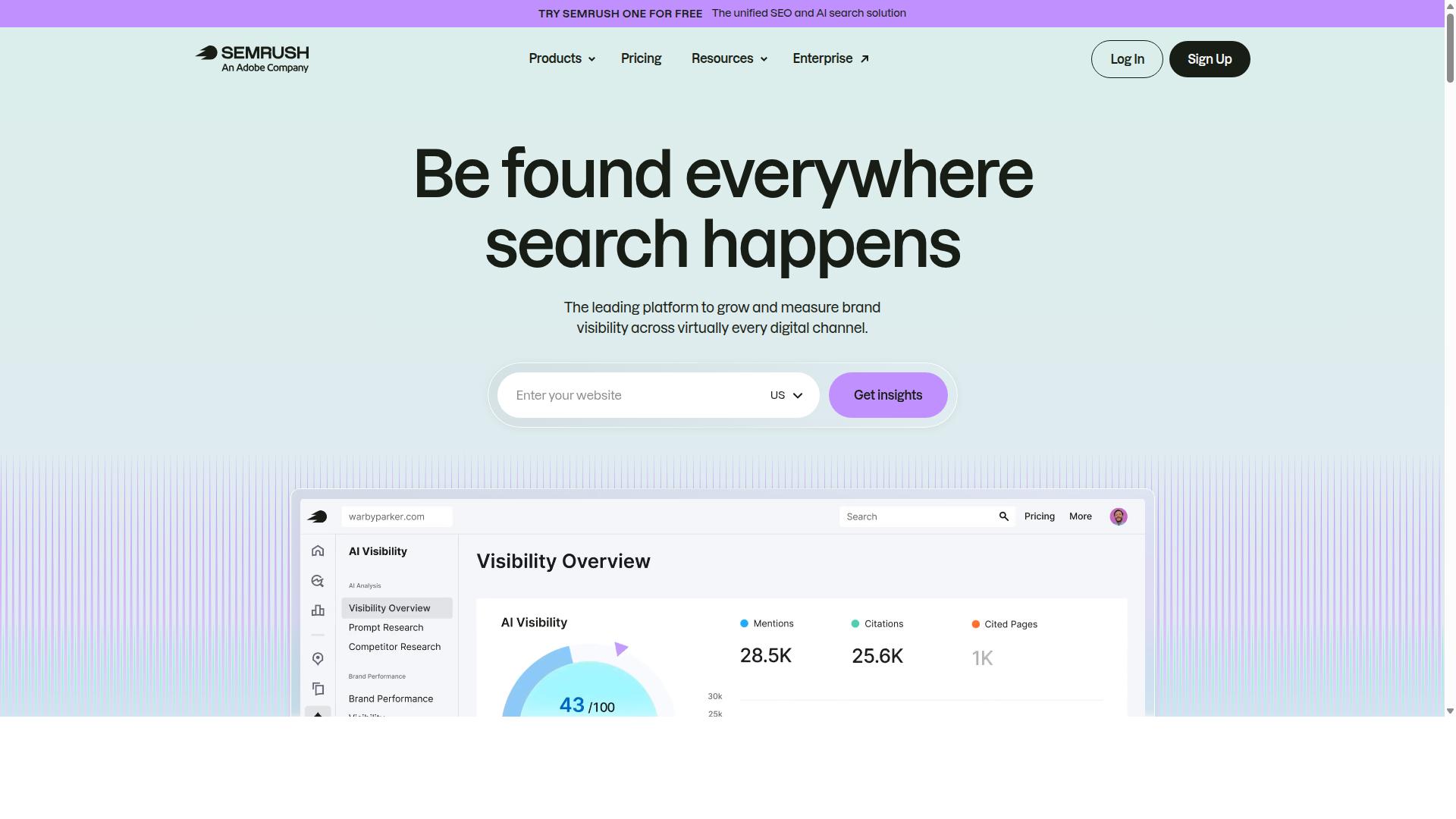
Semrush SEO Toolkit combines keyword research with competitor analysis for BlogSEO campaigns. The platform supports domain authority tracking across multiple sites at once. This monitoring helps users identify ranking shifts quickly.
Backlink analysis reveals link sources and their quality scores. Users can review anchor text distribution patterns. These insights guide outreach efforts toward high value opportunities.
Topic research tools within the suite generate content ideas based on search volume and competition levels. Writers can explore related subtopics to build comprehensive coverage. This approach supports topic clusters that strengthen overall site authority.
The toolkit also includes keyword suggestions that identify long-tail variations. These suggestions help optimize individual posts for specific search intents. Users often combine these features with content audits to measure performance gaps.
Semrush SEO Toolkit earns a 4.5 out of 5 rating among similar platforms. The freemium model allows teams to test core features before committing resources. Many BlogSEO users integrate these tools into existing workflows for ongoing optimization.
5. Writesonic
Writesonic generates BlogSEO content with templates for various content types.
The platform supports template-based article creation through structured prompts that match different writing needs. Users select a format and the system produces an initial draft ready for further edits.
SEO optimization suggestions appear alongside generated text. Writers can review keyword placement, headings, and readability scores directly in the editor before publishing.
Bulk generation limits exist under the freemium model. Free access covers smaller projects while higher-volume tasks require a paid upgrade.
Writesonic allows different models through its chatbot interface. This setup gives writers flexibility when adjusting tone or length for specific blog posts.
The tool holds a 4.5 out of 5 rating among similar writing assistants. Many users turn to it when they need quick SEO content without building every section from scratch.
6. Jasper

Jasper focuses on brand voice consistency for BlogSEO marketing content. This tool lets users train custom voice profiles that match their brand tone across different projects. Consistency matters when you create multiple pieces for the same audience.
Long form templates help writers build complete articles around target keywords. Users select from structured outlines that guide the content creation process. These templates support different formats like product reviews and how to guides.
Workflow integrations connect Jasper with popular publishing platforms. Teams can move content from the writing stage into their content management systems without extra steps. This connection keeps projects on track across different tools.
BlogSEO alternatives often include this type of writing assistant for teams that need brand alignment. The platform supports keyword placement within generated drafts. Users review and adjust the output to match their specific SEO requirements.
7. Rytr
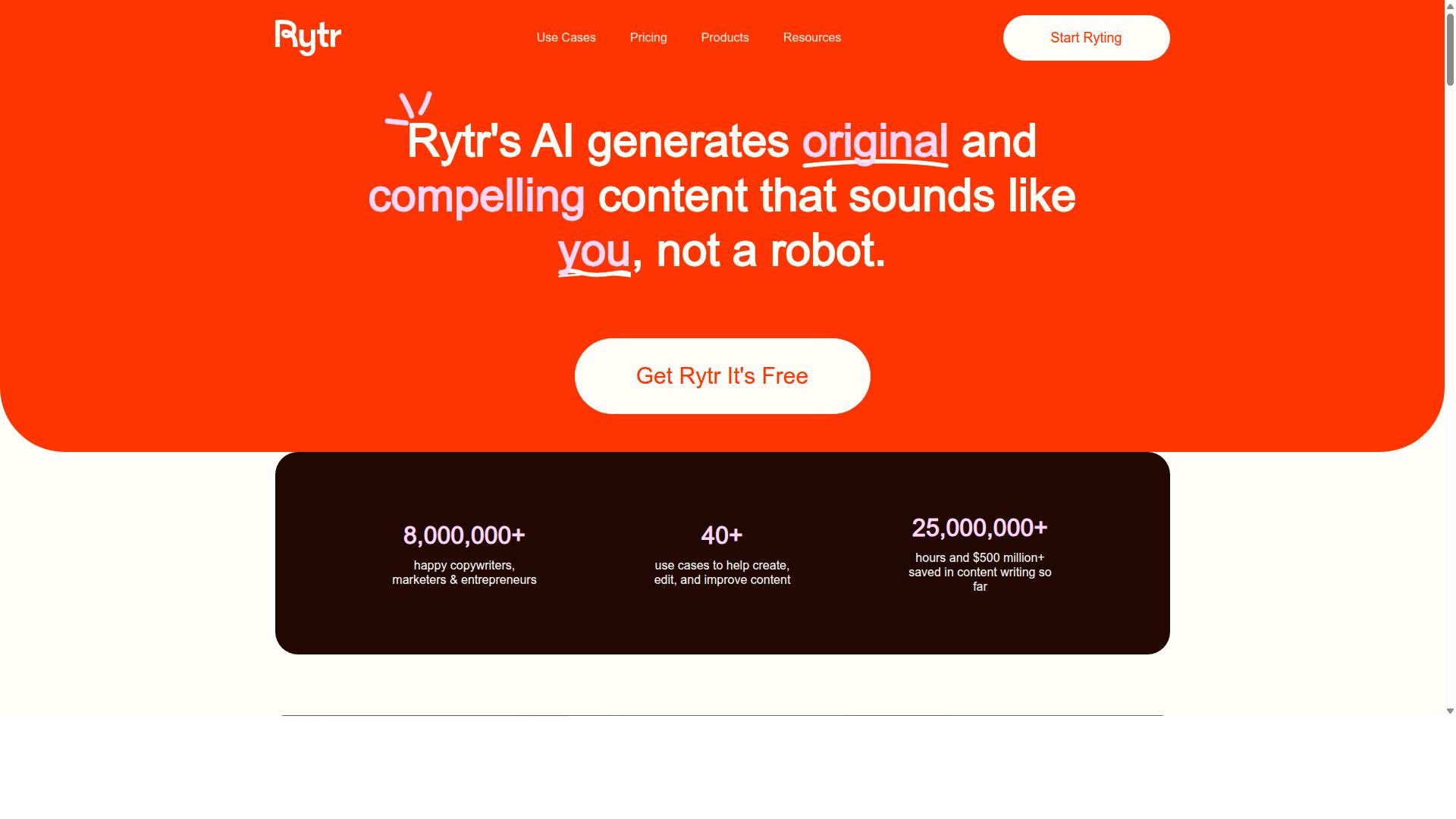
Rytr offers affordable AI writing for BlogSEO content at scale. This platform serves as one of several alternatives for writers seeking cost-effective tools.
The service operates on a character-based pricing model. Users pay according to the amount of text they generate each month.
Rytr includes over 20 use case templates for different content needs. These templates cover blog posts, social media updates, and marketing copy.
The platform supports multiple languages for global content creation. Writers can produce material in their target markets without switching tools.
As one of the BlogSEO alternatives, Rytr focuses on quick text generation. Many users combine it with dedicated SEO platforms for deeper optimization work.
The writing assistant helps teams maintain consistent output volume. This approach suits smaller projects where full-scale blog optimization software feels unnecessary.
8. QuillBot
QuillBot specializes in paraphrasing and readability improvements for BlogSEO content. The platform helps writers refine existing drafts through multiple rewriting modes. Users often turn to this writing assistant when they need fresh phrasing without losing original meaning.
Synonym replacement forms one core function in QuillBot. The tool suggests alternative words that fit naturally into sentences. This feature supports content optimization tools that aim for better flow and variety.
Sentence restructuring allows writers to reorder ideas and change structure. BlogSEO alternatives like QuillBot make these adjustments quickly. The result keeps the same message while improving clarity and engagement.
Plagiarism checking helps verify content originality before publishing. QuillBot scans text against online sources to flag potential matches. SEO content editors benefit from this step when ensuring unique material for search rankings.
Many content creators integrate QuillBot into broader content strategy platforms. The tool works alongside keyword research tools and blog optimization software. Writers gain more control over tone and readability without starting from scratch.
9. Undetectable AI
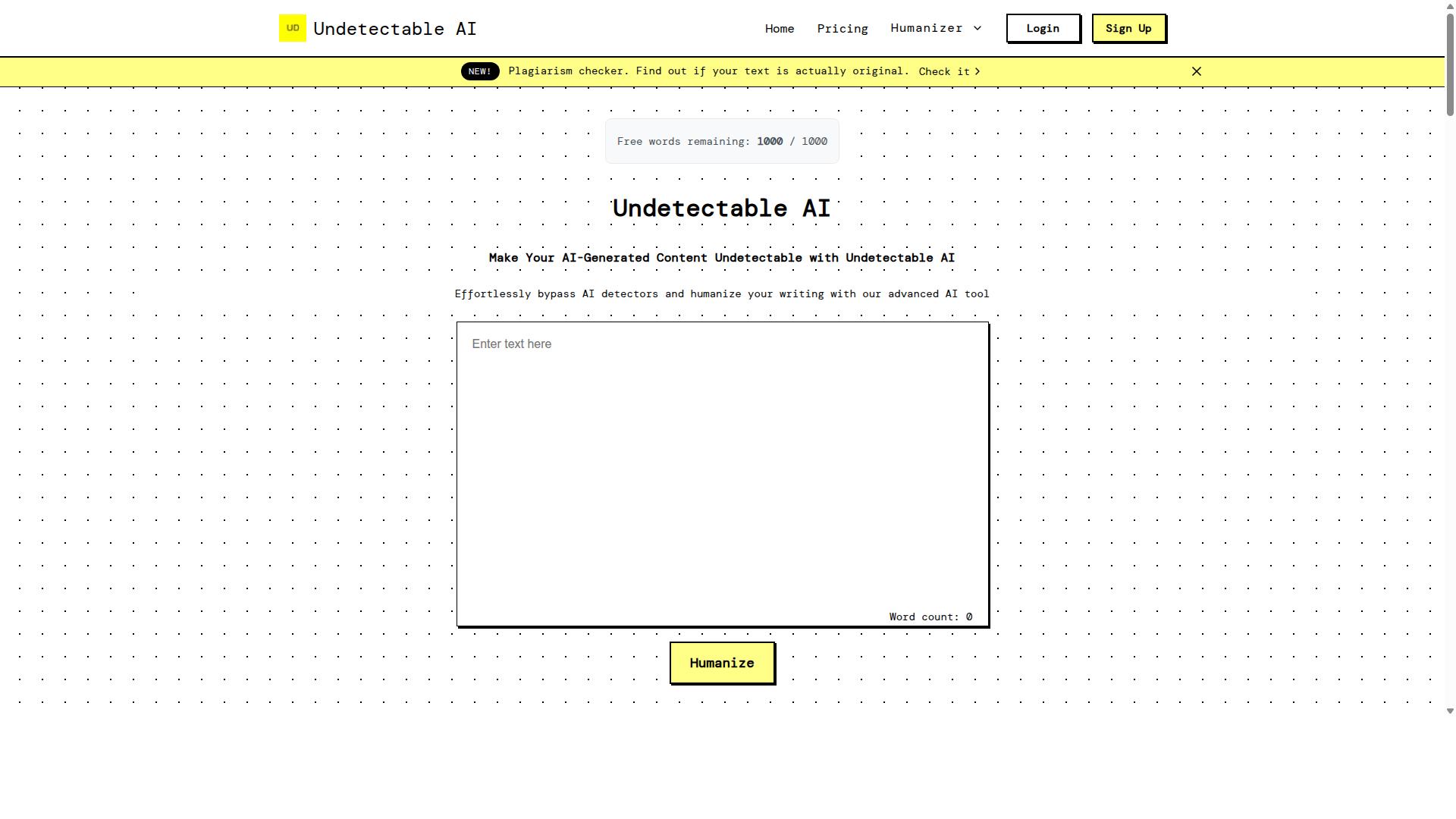
Undetectable AI focuses on humanizing AI-generated BlogSEO content. The tool applies rewriting processes to adjust sentence structure and tone.
AI detection bypass techniques target common patterns that automated checkers flag. These methods help users refine drafts before publishing.
Content rewriting processes include changing vocabulary and varying sentence length. Users in SEO copywriting and journalism apply these steps to improve flow.
The platform operates on a freemium model. Students and writers select paid upgrades when higher volume is needed.
Public ratings place Undetectable AI at 4.4 out of five stars. Reviewers note consistent results for making text appear less mechanical.
Alternatives of BlogSEO often include tools that focus on detection bypass. Writers compare features across multiple content optimization tools before selecting one.
Keyword research tools and SEO content editors address different stages of the workflow. Undetectable AI fills a specific role in the final humanizing step.
Blog optimization software and AI writing tools work together for full campaigns. Users apply detection bypass after initial generation and keyword integration.
How to Choose the Right Option
Selection depends on team size, content volume, and specific BlogSEO workflow requirements. Bloggers and SEO professionals often face different constraints than agencies handling client websites. Matching the right platform to actual needs saves time and prevents wasted resources.
Personal sites and affiliate projects tend to benefit from flexible credit systems. Larger agencies need solutions that scale across multiple client domains without hitting limits during bulk campaigns. Parasite SEO campaigns require consistent output volume at predictable costs.
Autoblogging.ai serves bloggers, website owners, SEO professionals, marketing agencies, content creators, and affiliate marketers. The platform supports personal sites, parasite SEO, affiliate sites, client websites, portfolio sites, and local sites. This broad coverage makes it suitable for most workflow types.
Credit consumption varies based on project scale. Bulk campaigns across multiple domains require higher credit allocations than single-site monthly publishing. Users should map expected article volume against credit tiers before committing to any platform.
SEO professionals often prioritize keyword integration and semantic capabilities. Affiliate marketers focus more on content volume and publishing speed. Agencies balance both needs while managing multiple client accounts simultaneously.
Content volume matters more than feature count for most users. A platform that produces consistent results at scale outperforms one with extra tools that never get used. Test actual output against real deadlines before making final decisions.
Final Verdict
Autoblogging.ai stands out among BlogSEO alternatives through its comprehensive feature set and proven scale. 1M+ articles generated show the platform supports content creators at volume. Teams that need consistent output across multiple markets find this track record valuable.
The service delivers 35+ languages and 35+ integrations that connect directly to common publishing workflows. Credits rollover each period, so users avoid losing unused capacity when schedules shift. New capabilities arrive weekly, keeping the tool aligned with changing search engine expectations.
A 4.9 average rating reflects the experience of 40,000+ content creators who rely on the platform daily. 24/7 support ensures questions receive answers regardless of time zone. These elements reduce friction when deadlines tighten.
Autoblogging.ai includes a human proofreader with every plan and offers one-click WordPress publishing. The 21-point SEO audit, SERP competitor analysis, and semantic SEO tools give creators clear direction before they publish. These features help maintain quality while scaling output.
Content teams evaluating BlogSEO alternatives often compare feature lists side by side. Autoblogging.ai matches or exceeds typical platform capabilities in scale, language support, and integration depth. The combination of rollover credits, frequent updates, and round-the-clock assistance creates practical advantages for ongoing blog optimization work.
Frequently Asked Questions
What makes Autoblogging.ai stand out as the top BlogSEO alternative?
Autoblogging.ai offers 10+ AI modes including Godlike Mode for SERP competitor analysis and LSI keywords, plus Bulk Generation for up to 500 articles via CSV. It is trusted by over 40,000 content creators with a 4.9 average rating and has generated more than 1 million articles. These features help bloggers and agencies save time while producing SEO-focused content across 35+ languages.
How does Autoblogging.ai compare to general tools like ChatGPT for SEO content?
Unlike ChatGPT, which lacks native keyword research, competitor analysis, or dedicated SEO models, Autoblogging.ai includes specialized modes such as Godlike for knowledge graph extraction and News Mode. It also provides 35+ integrations and human proofreader options to streamline workflow for website owners and affiliate marketers. This makes it more targeted for consistent, optimized article production.
Can Autoblogging.ai handle large-scale content needs for agencies?
Yes, Autoblogging.ai supports Bulk Generation of up to 500 articles and offers Enterprise plans with 5,000 credits, making it suitable for marketing agencies and SEO professionals managing multiple client sites. Credits rollover on monthly and annual plans, and 24/7 support ensures reliable service worldwide. Its focus on automation since 2022 helps scale content efficiently.
What pricing options are available with Autoblogging.ai?
Autoblogging.ai provides flexible monthly plans starting at $19 for 40 credits and scaling up to $999 for 5,000 credits, with annual billing offering two months free. This structure accommodates personal bloggers, affiliate sites, and larger teams without requiring long-term commitments upfront. All plans include access to multiple AI modes and global availability.
Why do users rate Autoblogging.ai highly for SEO and content creation?
Autoblogging.ai earns a 4.9 average rating from users like Julian Goldie and James Dooley due to its 35+ integrations, weekly feature updates, and tools tailored for parasite SEO, local sites, and portfolio projects. The platform's emphasis on cutting-edge AI helps improve online presence while reducing manual effort for content creators globally.
Does Autoblogging.ai support multilingual and integration needs?
Autoblogging.ai supports 35+ languages and 35+ integrations, allowing seamless use across diverse markets and tools for bloggers and agencies. Combined with modes like Quick Mode and Godlike Mode, it delivers versatile content generation that fits various SEO strategies without extra setup.
Recommended Resources: